
How Can You Check Your Garbage Disposal for Jams and Unusual Noises Before Holiday Cooking?
Before holiday cooking begins, test your garbage disposal by running cold water, briefly turning on the unit, and listening for humming, rattling, grinding, or other unusual sounds. Check that water drains normally and watch for leaks beneath the sink. If the disposal jams, makes persistent noises, or stops working, address the problem before preparing a large holiday meal.
The holiday season brings family gatherings, festive meals, and plenty of activity in the kitchen. Unfortunately, all that extra cooking and cleanup can put additional stress on your garbage disposal. A unit that seems to work fine during everyday use may struggle when holiday food preparation increases.
At Clear Knight Plumbing, we understand how inconvenient a garbage disposal problem can be, especially when you’re preparing to host guests. A jammed disposal, unexpected grinding noise, or slow-draining kitchen sink can quickly interrupt your plans. Taking a few minutes to inspect your disposal before the holidays can help you recognize problems early and avoid unnecessary plumbing headaches. Knowing which sounds are normal, what warning signs to watch for, and when to call a professional can help keep your kitchen running smoothly.
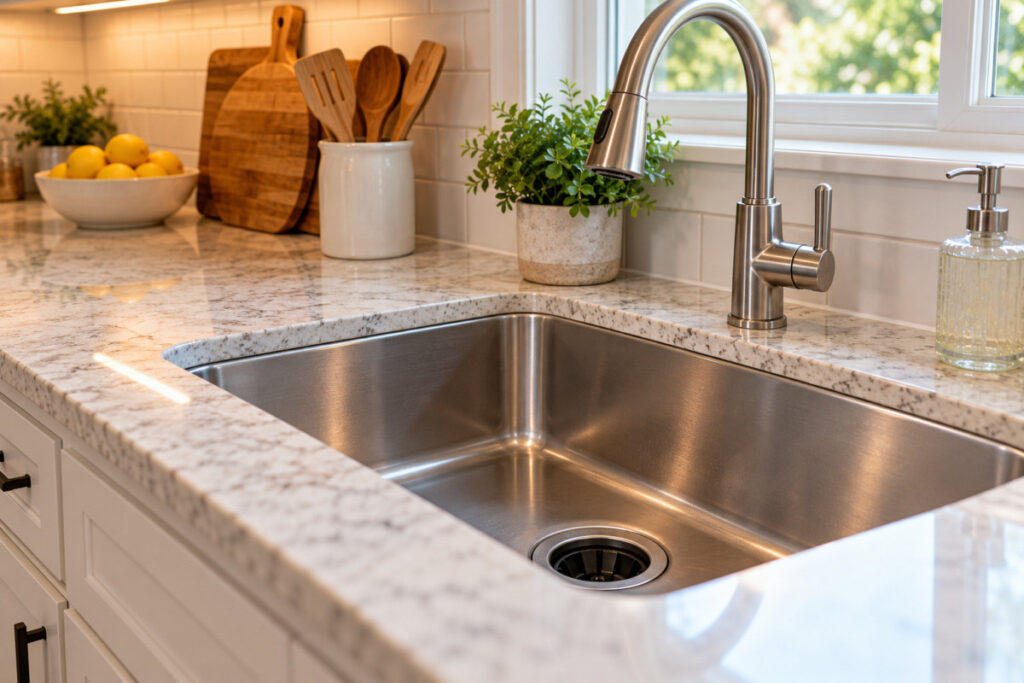
Garbage Disposal Maintenance Tips to Prevent Holiday Kitchen Plumbing Problems
Your garbage disposal helps break down small food scraps so they can move through your kitchen drain. However, it isn’t designed to handle every type of food waste.
According to the U.S. Environmental Protection Agency, keeping fats, oils, and grease out of household drains helps prevent sewer blockages. This is particularly important during the holidays, when cooking often involves greasy foods, large meals, and frequent kitchen cleanup.
Testing your garbage disposal before guests arrive can help identify problems before they become more disruptive.
1. How Do You Test a Garbage Disposal Before Holiday Cooking?
A quick garbage disposal test can help determine whether the unit is operating normally before your kitchen gets busy.
Start by clearing dishes and loose items from the sink. Make sure the disposal is free of visible obstructions, and never put your hand inside the grinding chamber.
Follow these simple steps:
- Run cold water. Turn on the cold water faucet and allow water to flow into the disposal.
- Turn on the disposal briefly. Listen for a steady operating sound without unusual rattling or grinding.
- Check the drainage. Make sure water flows freely down the sink.
- Look beneath the sink. Check for dripping water around the disposal body and plumbing connections.
- Turn off the disposal. Allow cold water to continue running briefly to help carry loosened food particles through the drain.
A properly functioning garbage disposal should operate without persistent unusual noises, excessive vibration, or water leaks.
If you notice something unusual during this test, investigate the issue before using the disposal for heavy holiday cleanup.
2. Why Is My Garbage Disposal Humming but Not Grinding?
A garbage disposal that hums without grinding may have a jammed grinding mechanism or a motor that cannot rotate properly.
This is one of the most common garbage disposal problems homeowners encounter.
Possible causes include:
- Food obstructions: Hard scraps or foreign objects may prevent the grinding plate from turning.
- Utensils or small objects: A dropped spoon, bottle cap, or other item can become lodged inside the disposal.
- Mechanical wear: Internal components may become damaged or difficult to rotate.
- Motor problems: An electrical or mechanical issue may prevent normal operation.
If your garbage disposal begins humming without spinning, turn it off immediately.
Allowing the motor to continue humming while jammed can cause overheating or additional damage.
Some garbage disposals have a manufacturer-provided wrench opening beneath the unit that allows the grinding mechanism to be manually rotated after power has been disconnected.
However, homeowners should only attempt this procedure when they can follow the manufacturer’s instructions safely.
Never place your fingers or hands inside a garbage disposal, even when the switch is off. Disconnect power before inspecting or attempting to clear a jam.
If the obstruction cannot be safely identified or removed, contact a plumbing professional.
3. What Do Unusual Garbage Disposal Noises Mean?
Unusual garbage disposal noises often indicate an obstruction, loose component, or developing mechanical problem.
Different sounds can provide clues about what may be happening inside the unit.
Loud rattling or clanking
Metallic rattling may indicate that a utensil, bottle cap, or another hard object has entered the disposal.
Turn off the unit immediately and disconnect its power supply before attempting any inspection.
Grinding or scraping sounds
Persistent scraping noises may indicate a foreign object or damaged internal component.
While some grinding sounds are normal during operation, harsh metallic scraping should not be ignored.
Humming without movement
A steady humming noise without normal grinding action often suggests a jammed mechanism or motor problem.
Turn off the disposal promptly to avoid overheating.
Excessive vibration
Unusual shaking may indicate an obstruction, worn components, or loose mounting hardware.
A professional inspection can help determine whether repair or replacement is appropriate.
Recognizing these sounds early can prevent a minor disposal problem from disrupting holiday meal preparation.
4. What Foods Should You Keep Out of Your Garbage Disposal During the Holidays?
Holiday cooking produces several types of food waste that can contribute to garbage disposal jams and kitchen drain clogs.
Even when a disposal can grind certain foods, those scraps may still create problems farther down the drain.
Common holiday items to avoid include:
- Turkey bones and other hard bones: These can jam the disposal or damage internal components.
- Potato peels: Large quantities can form a thick, starchy mass that contributes to clogs.
- Cooking grease and oils: These can accumulate inside pipes and restrict drainage.
- Celery and fibrous vegetables: Stringy fibers may wrap around moving components.
- Corn husks: Their tough, fibrous texture can interfere with grinding.
- Large amounts of pasta or rice: Starchy foods can contribute to drain blockages, particularly when combined with grease and other debris.
Instead of relying on the disposal for large amounts of holiday food waste, scrape plates into the trash or an appropriate compost collection before rinsing dishes.
Use the disposal only for small amounts of suitable food scraps, and follow the manufacturer’s operating recommendations.
These habits can help reduce the risk of kitchen plumbing problems during busy holiday gatherings.
5. When Should You Call a Plumber for Garbage Disposal Problems?
You should contact a plumber when your garbage disposal repeatedly jams, makes persistent unusual noises, leaks, or causes recurring kitchen drainage problems.
Some issues may involve more than the disposal itself.
For example, a sink that drains slowly even when the disposal appears to operate normally may have a blockage in the drain line.
Warning signs that deserve professional attention include:
- The disposal repeatedly trips its reset button.
- The unit hums but won’t rotate.
- Water leaks from the disposal housing.
- Grinding noises continue after visible obstructions have been ruled out.
- The kitchen sink frequently backs up.
- The disposal stops working despite having power.
A plumber can help determine whether the problem involves the disposal, its plumbing connections, or the kitchen drain.
In some cases, a repair may restore normal operation. In others, replacement may be the more practical long-term solution.
Addressing these problems before holiday gatherings can help you avoid inconvenient interruptions when your kitchen is busiest.
Frequently Asked Questions About Garbage Disposal Problems
Can I use my garbage disposal if it’s making a rattling noise?
It’s best to turn off the disposal and investigate the noise before continuing to use it. Rattling may indicate a foreign object or damaged component that could cause further problems.
Why does my garbage disposal keep getting jammed?
Repeated jams may result from unsuitable food scraps, foreign objects, worn components, or mechanical problems. If jams continue despite proper use, a professional inspection can help identify the cause.
Should I use hot or cold water when running my garbage disposal?
Cold water is generally recommended while operating a garbage disposal. It helps keep fats more solid during grinding, although grease and cooking oils should never be intentionally poured into the drain.
How do I know if my garbage disposal needs to be replaced?
Frequent jams, persistent leaks, unusual noises, and recurring motor problems may indicate that replacement is worth considering. A plumber can evaluate the unit’s condition and help determine whether repair or replacement makes more sense.
Keep Your Holiday Kitchen Running Smoothly With Clear Knight Plumbing
Holiday cooking should be about enjoying time with family and friends, not worrying about a jammed garbage disposal or backed-up kitchen sink.
Taking a few minutes to test your disposal, listen for unusual noises, and practice proper food waste disposal can help reduce the likelihood of plumbing problems during the busiest cooking season.
If your garbage disposal is humming, grinding unexpectedly, leaking, or struggling to drain properly, don’t wait until holiday guests arrive to address the issue.
Clear Knight Plumbing can help homeowners identify garbage disposal problems and find practical solutions for their kitchen plumbing needs.
Ready to get your kitchen plumbing holiday-ready? Contact Clear Knight Plumbing today to discuss your garbage disposal concerns and schedule professional plumbing service.